September 29, 2026
5 mins
In Market: NYC - First hand thinking from the places where we're meeting, working and delivering.
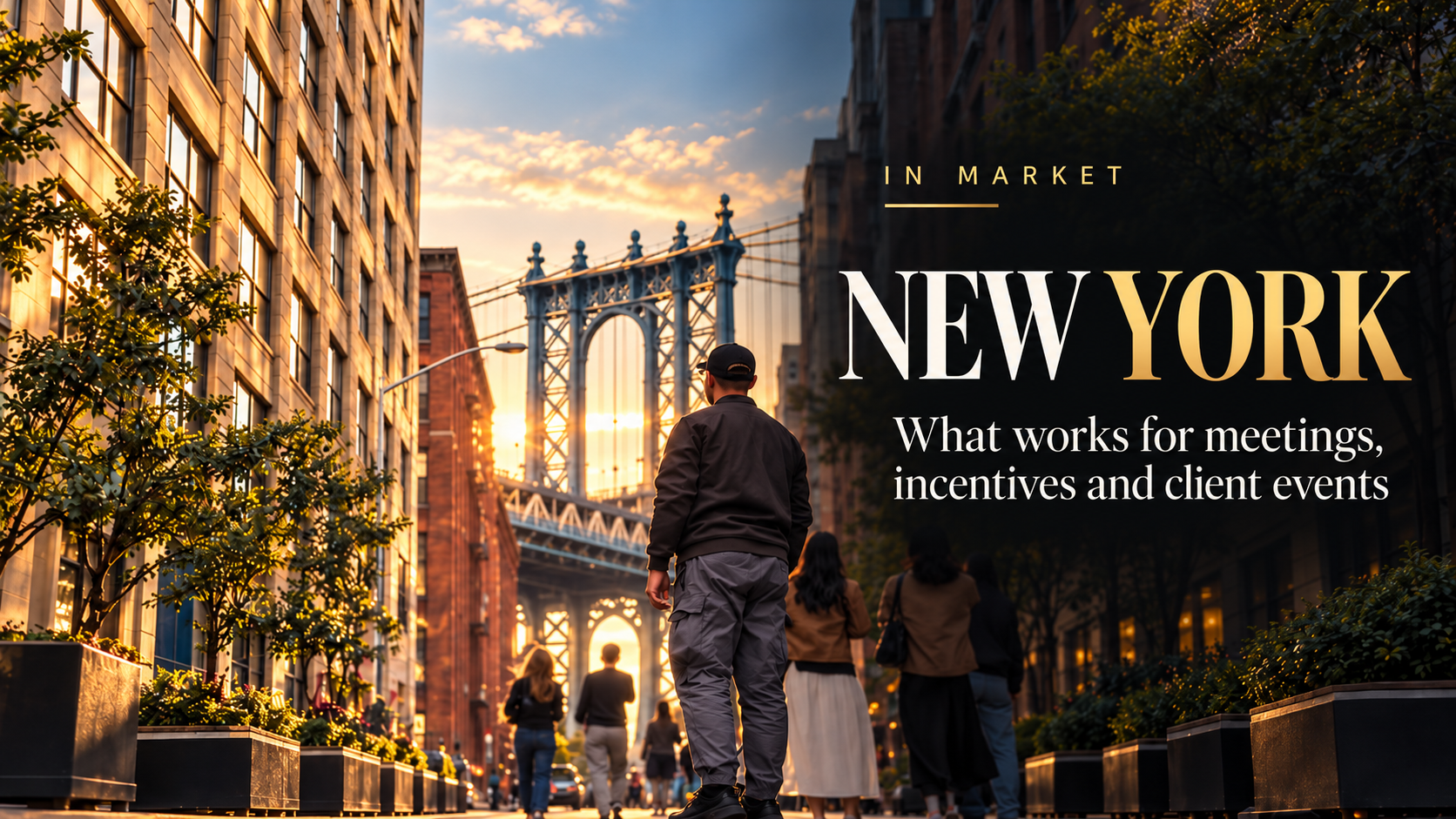
The best part of the programme might not be on the agenda
New York is one of those cities where it would be very easy to build an event around a great hotel, a good meeting space and a dinner reservation and still barely use the city at all.
After a few days there, that feels like a missed opportunity.
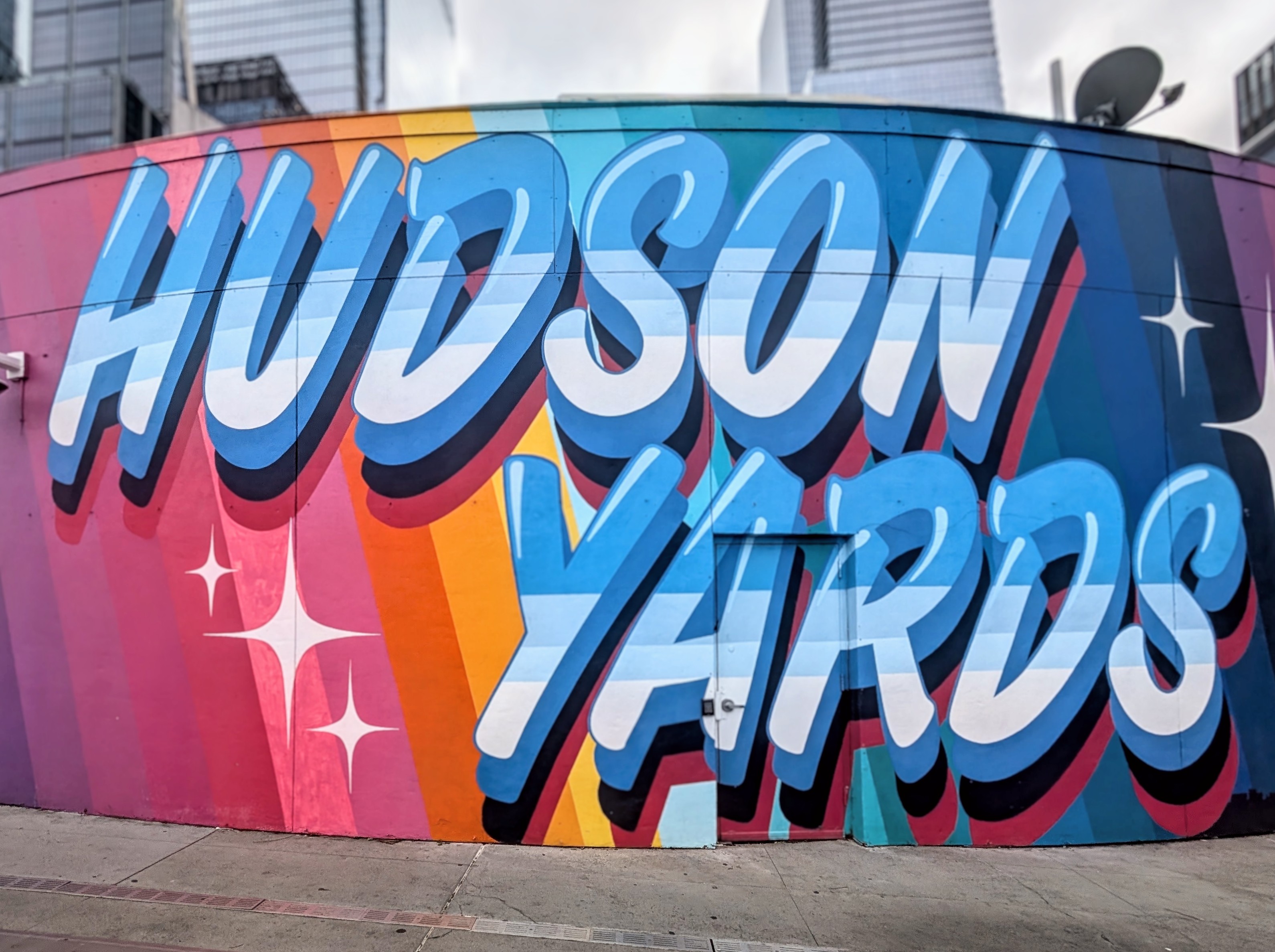
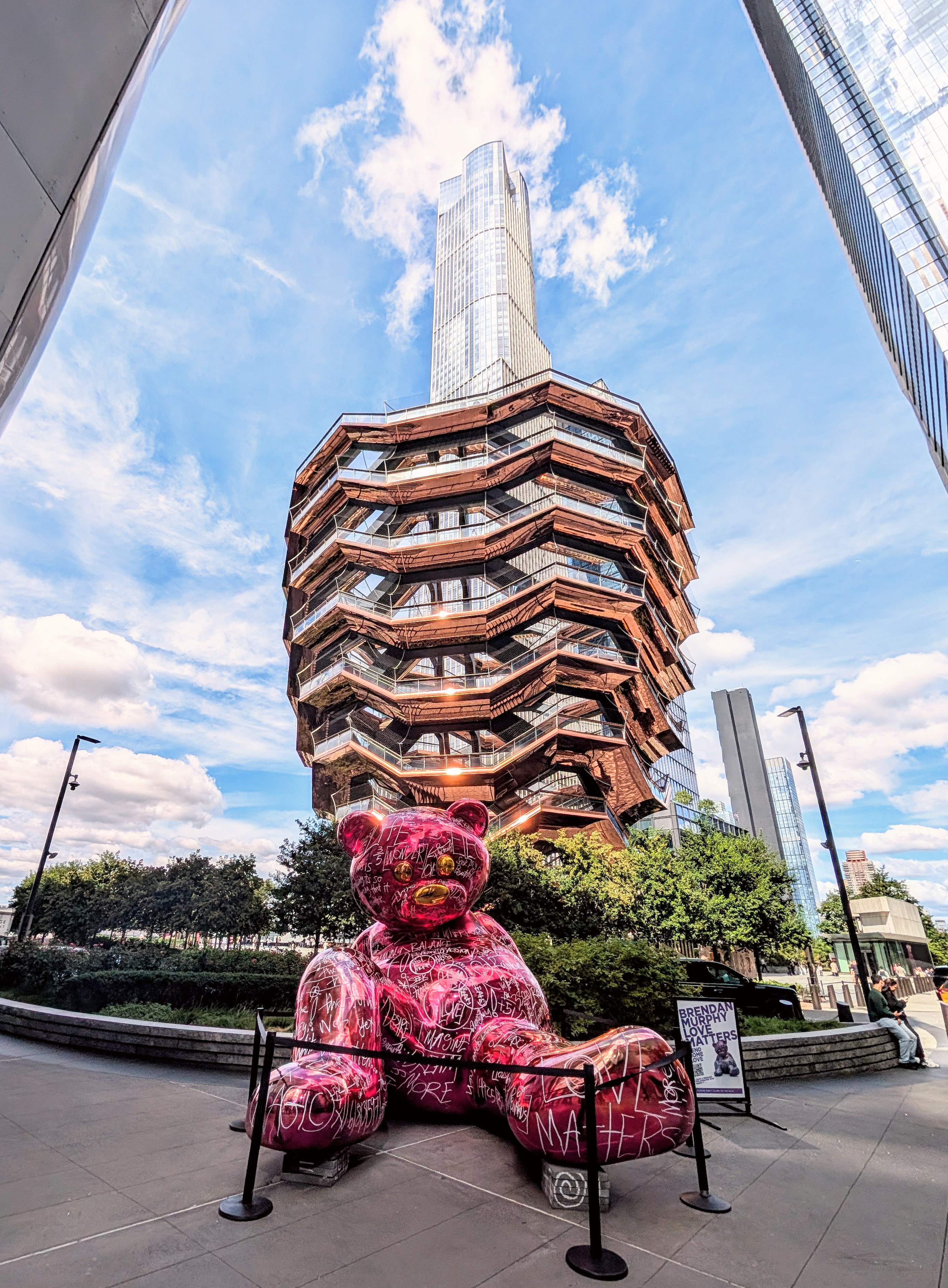
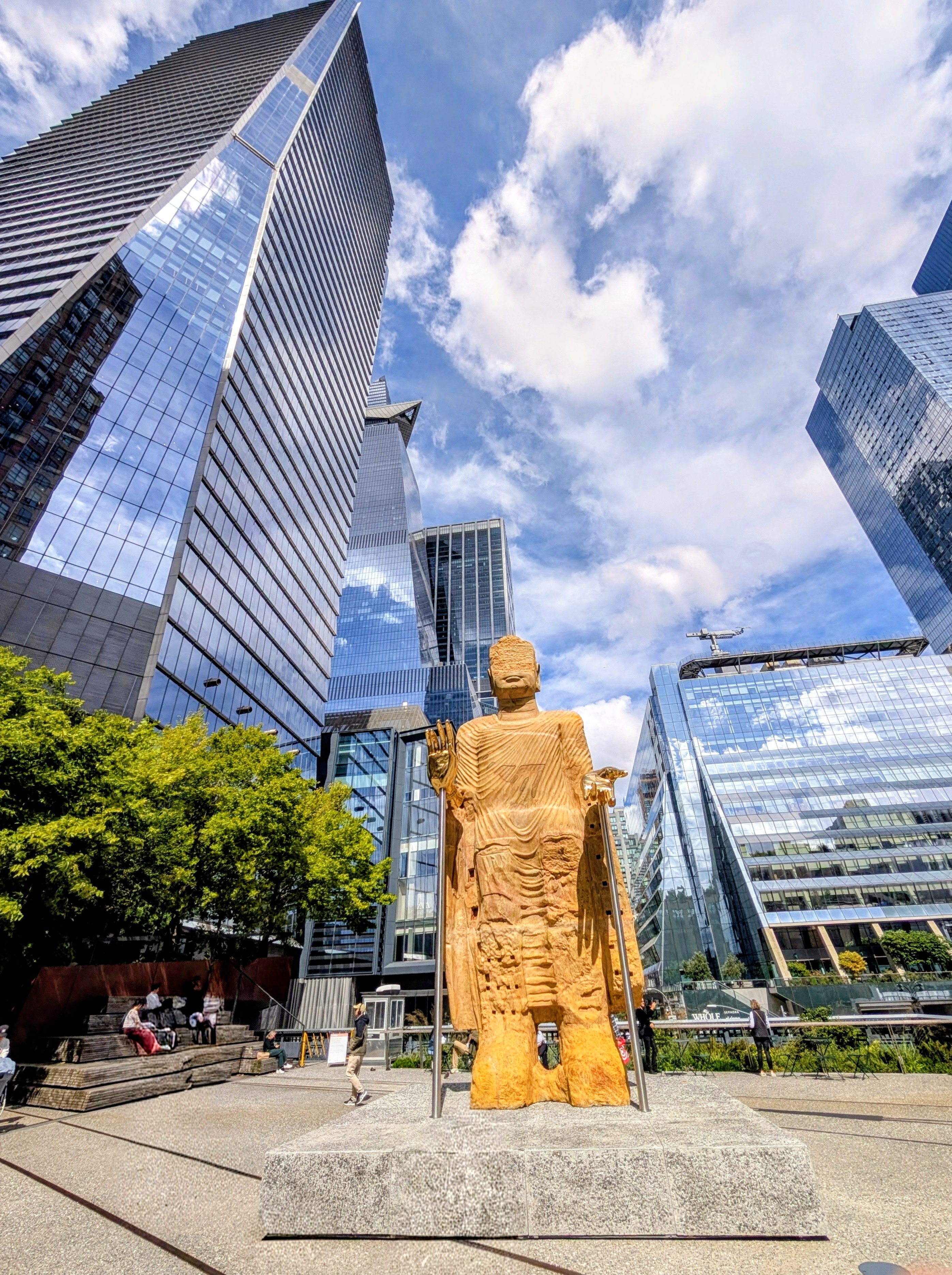
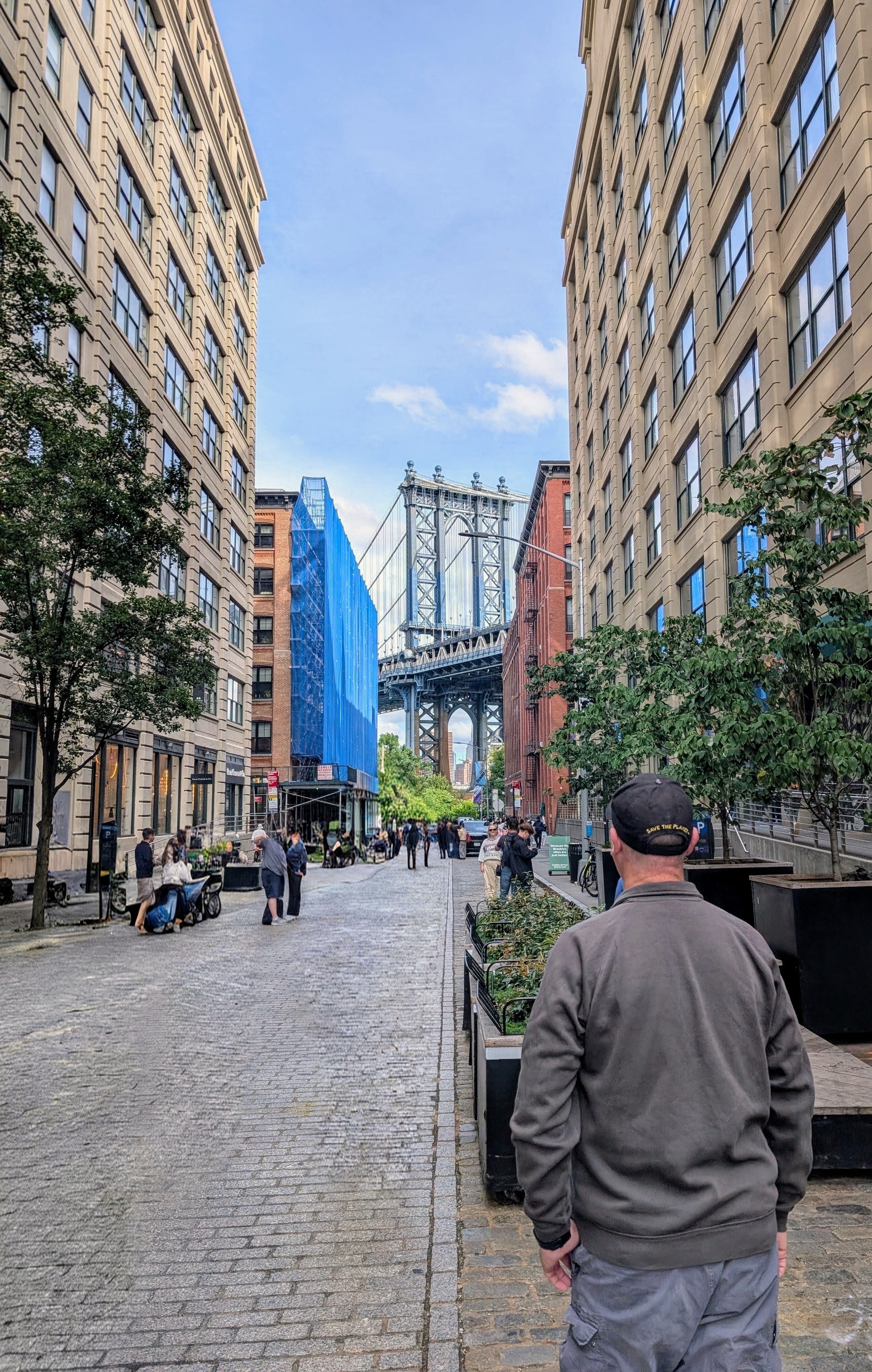
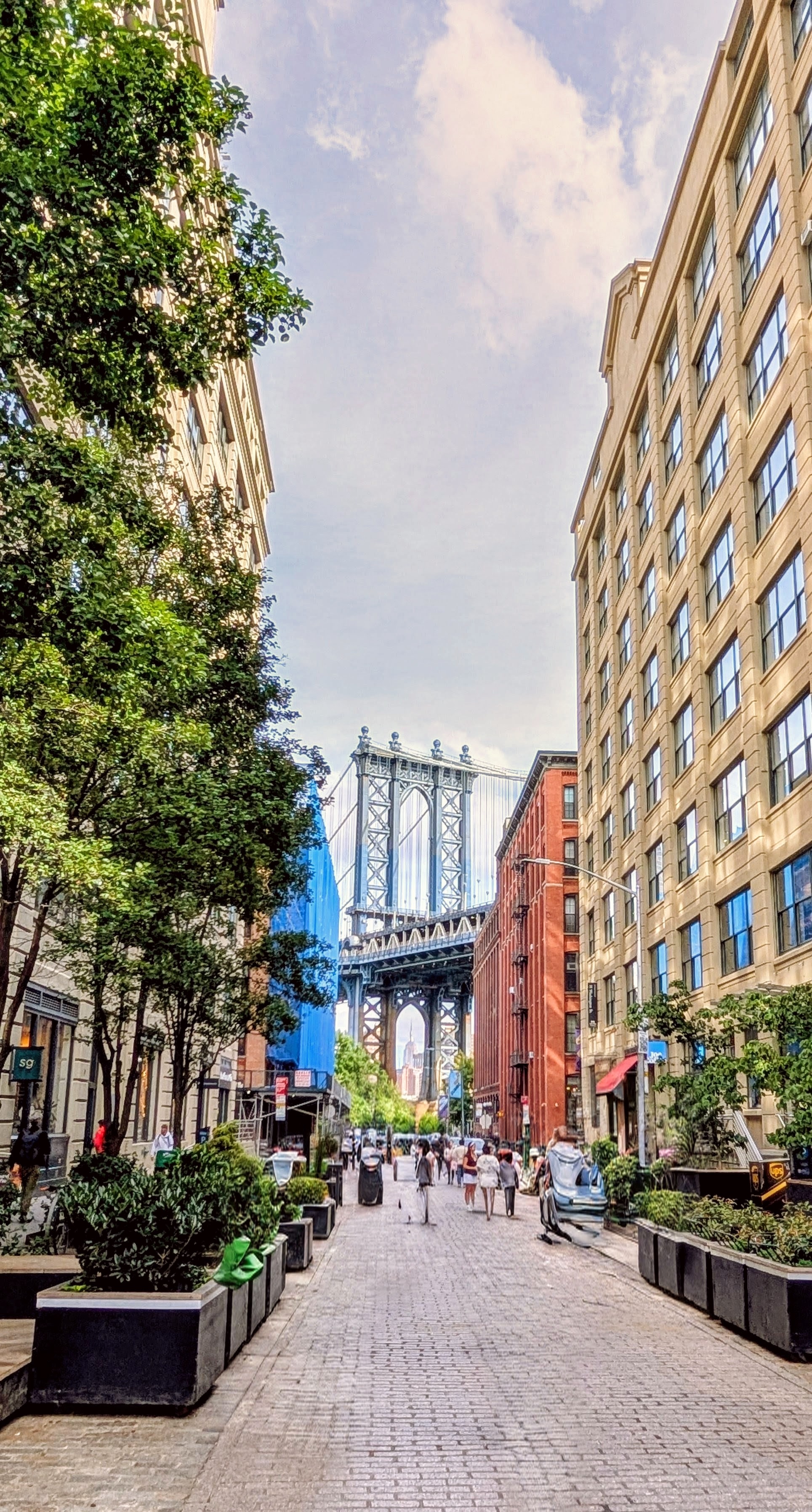
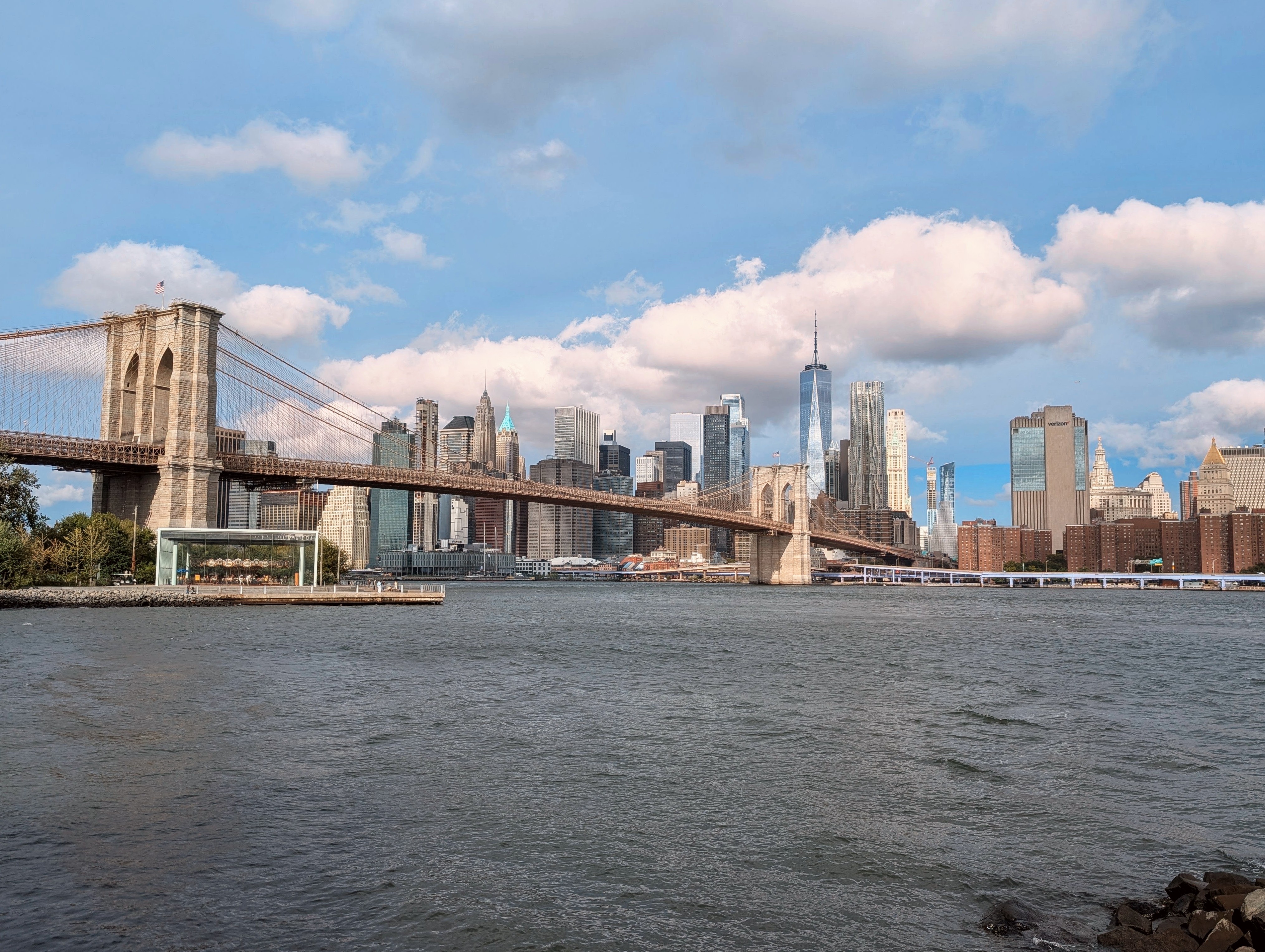
We spent time around Manhattan West and Hudson Yards, crossed over to DUMBO, looked at hotels and hospitality spaces, experienced a few very different evening venues and, importantly, travelled around the city in much the same way delegates would.
What stood out wasn’t one particular venue. It was how much more interesting a programme becomes when you start looking at what sits around the formal agenda.
Sometimes you need to leave some space
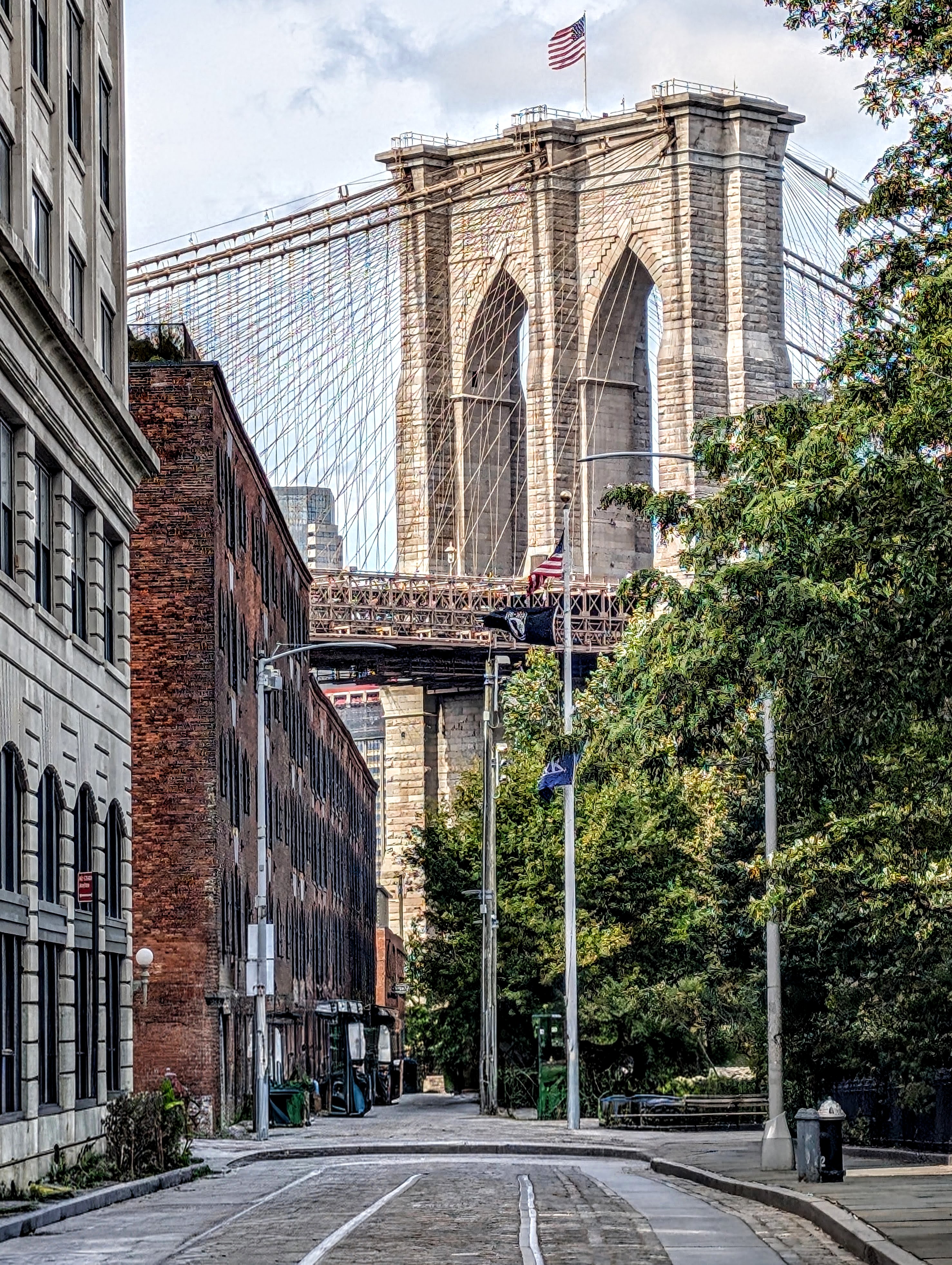
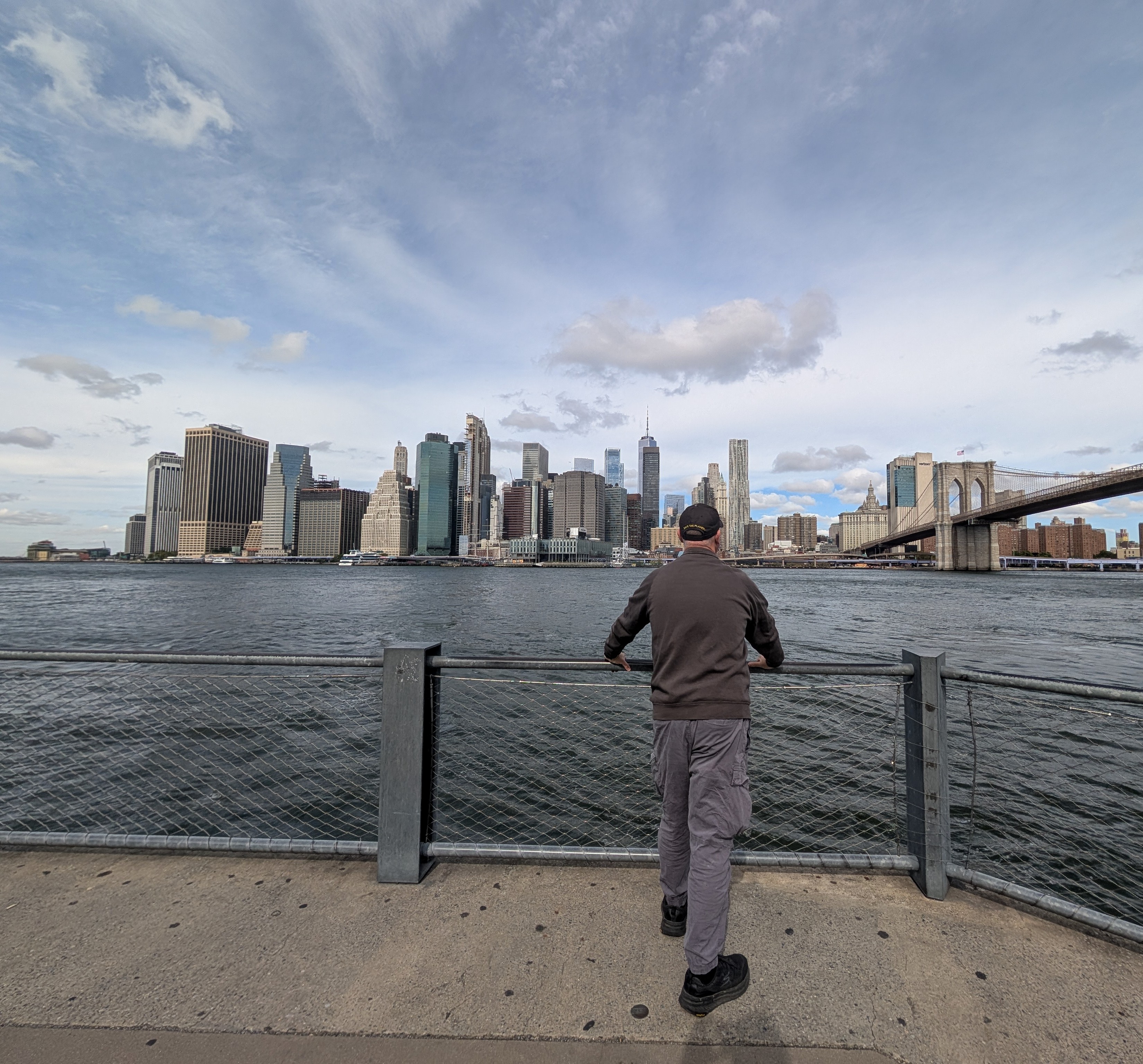
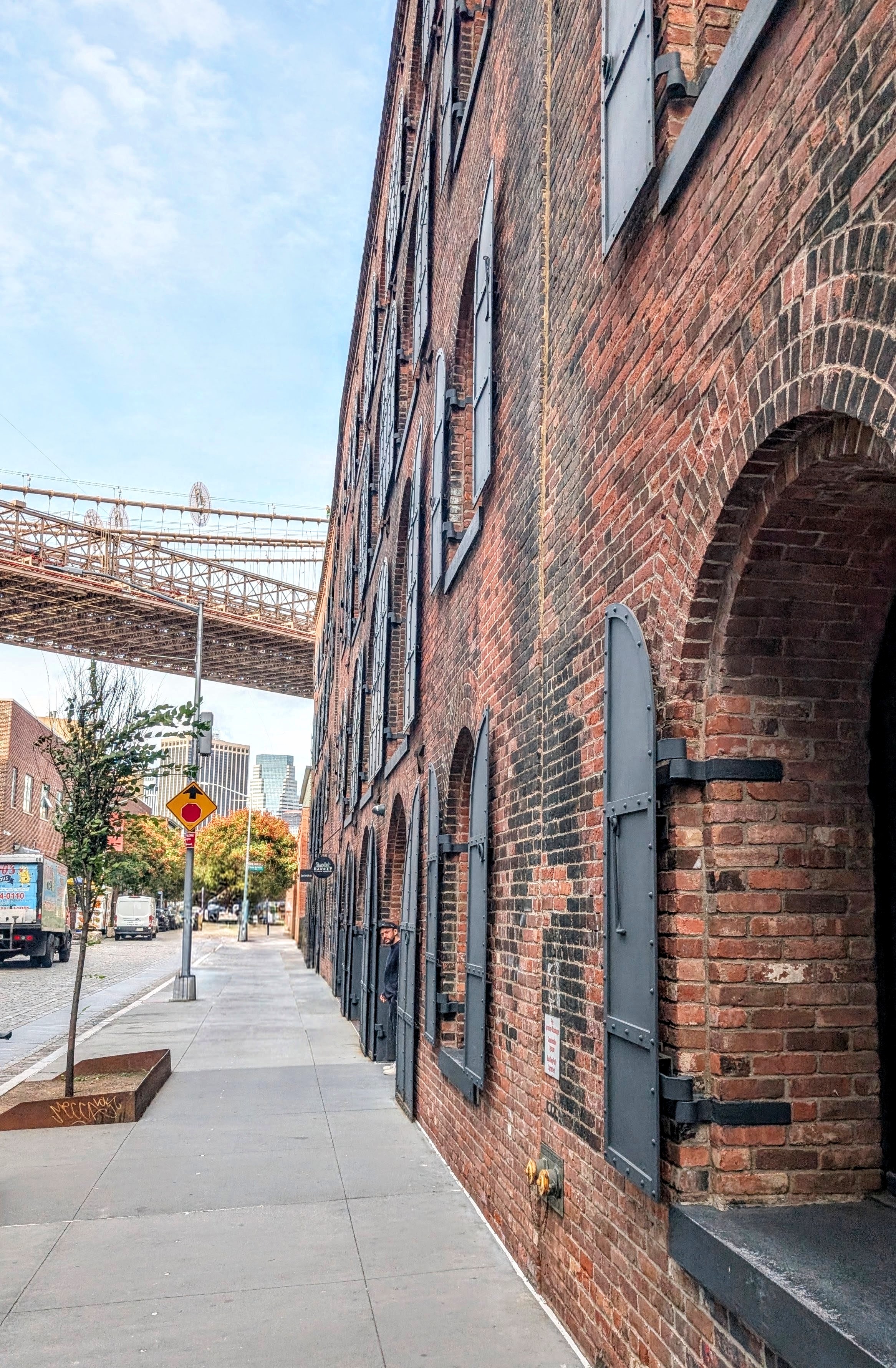
A morning in DUMBO is a good example.
Breakfast somewhere relaxed, a walk along the waterfront with Manhattan as the backdrop and then back into the city by subway. For a more active group, the same setting could easily become a morning run. It does not need a coach, a guide or three hours carved out of the agenda.
For the right group, it could simply be a couple of hours that make being in New York actually feel like being in New York.
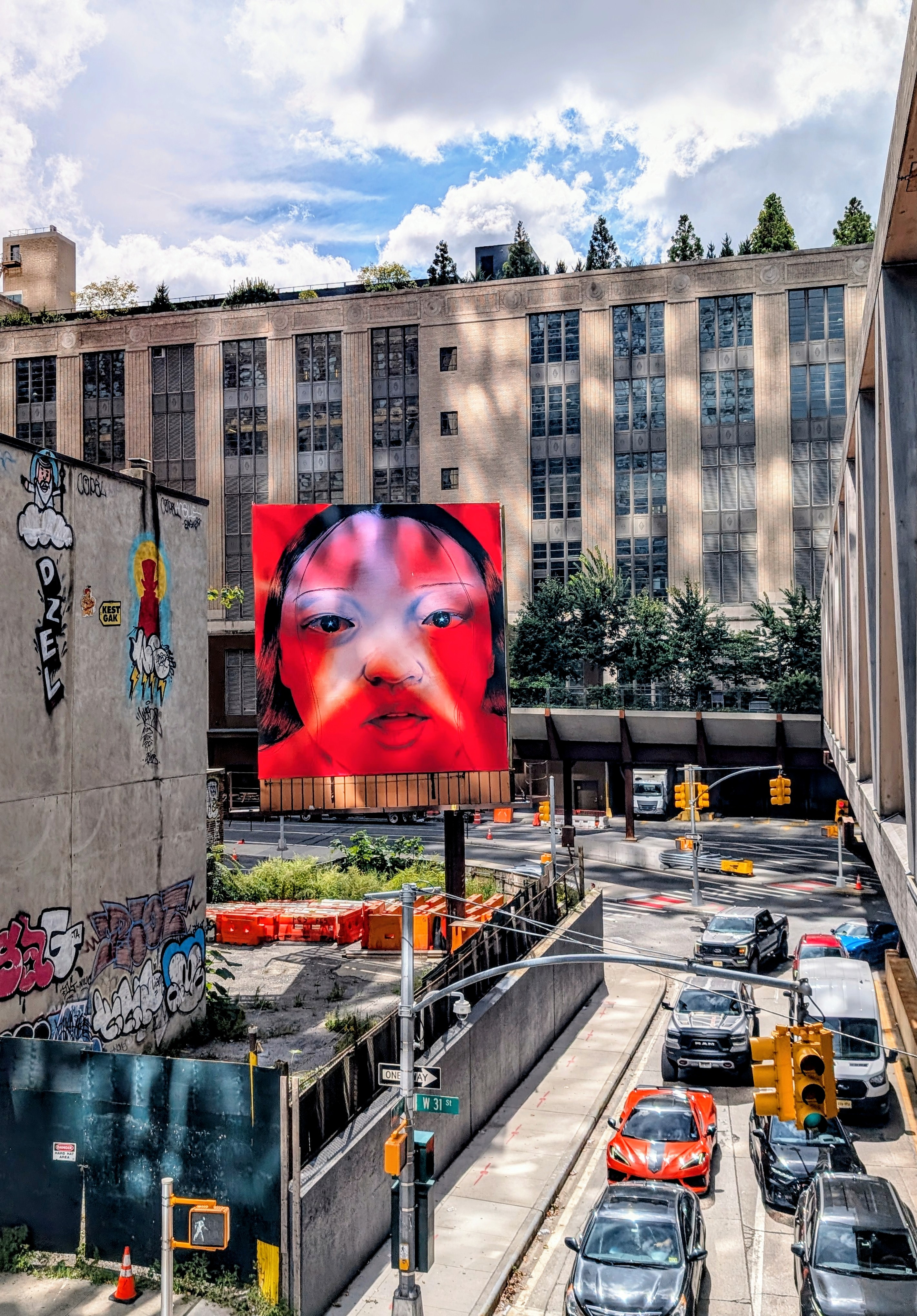
The same applies to the High Line into Hudson Yards. It connects areas that already work well for corporate groups, but gives people something between the meeting and the next venue rather than another transfer in the back of a car.
We sometimes spend so much time programming events that every available hour gets filled. There is value in knowing when not to do that.
The area around the venue matters more than it looks on a proposal
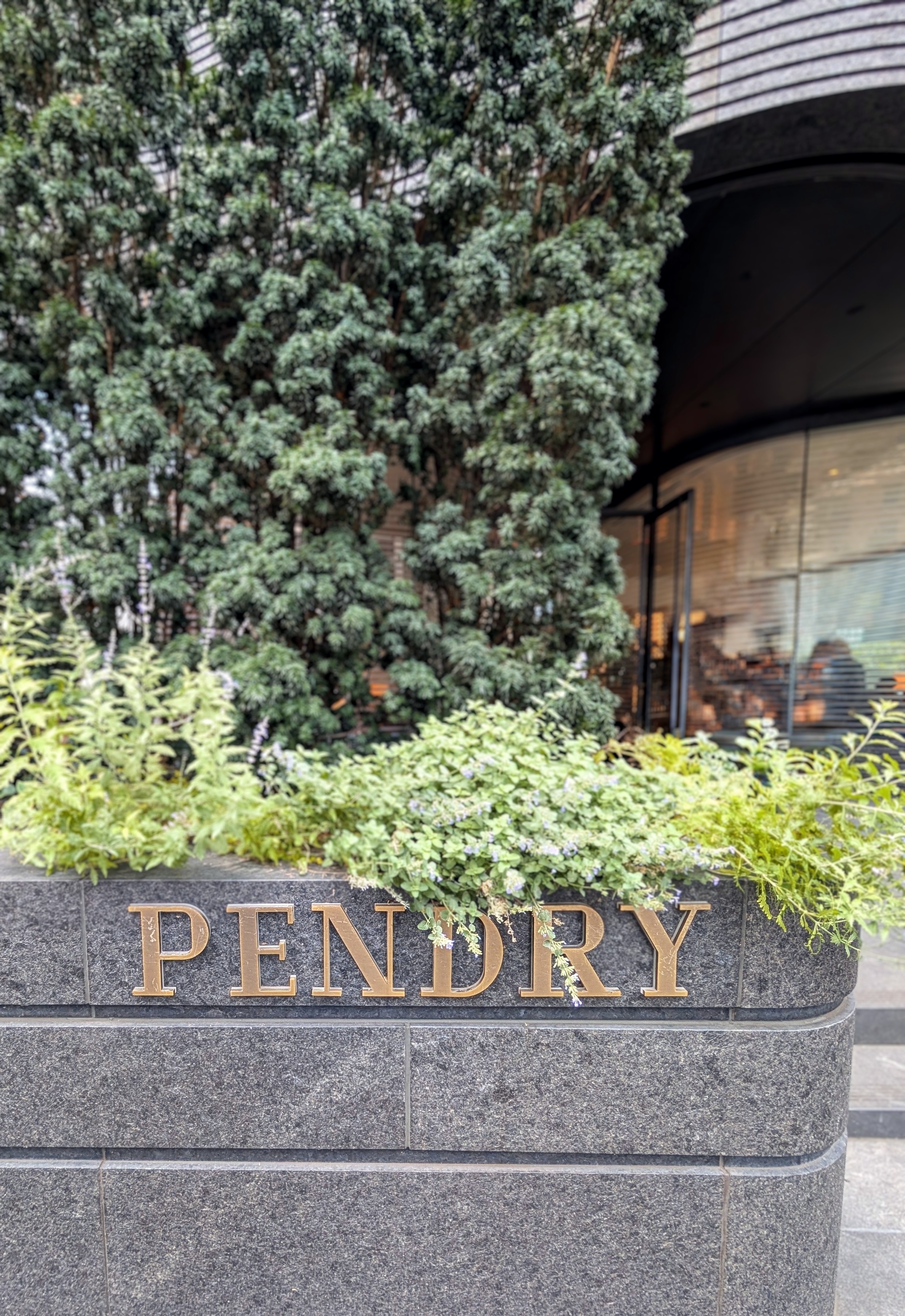
Pendry was a good reminder of this.
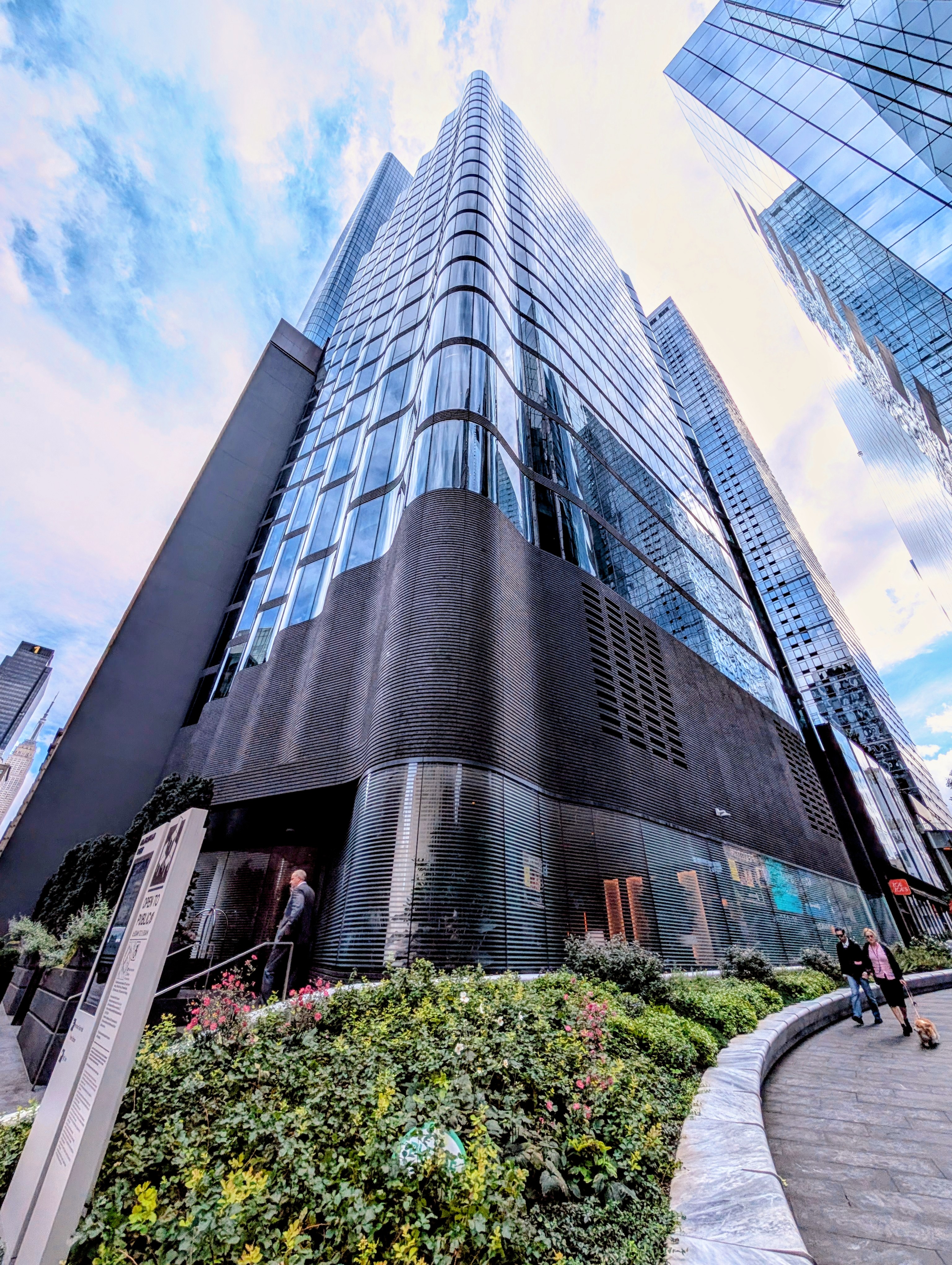
The hotel has the design, service and style you would expect, and there are some interesting smaller spaces for private dining and entertaining. But what makes it particularly useful for certain corporate groups is Manhattan West itself.
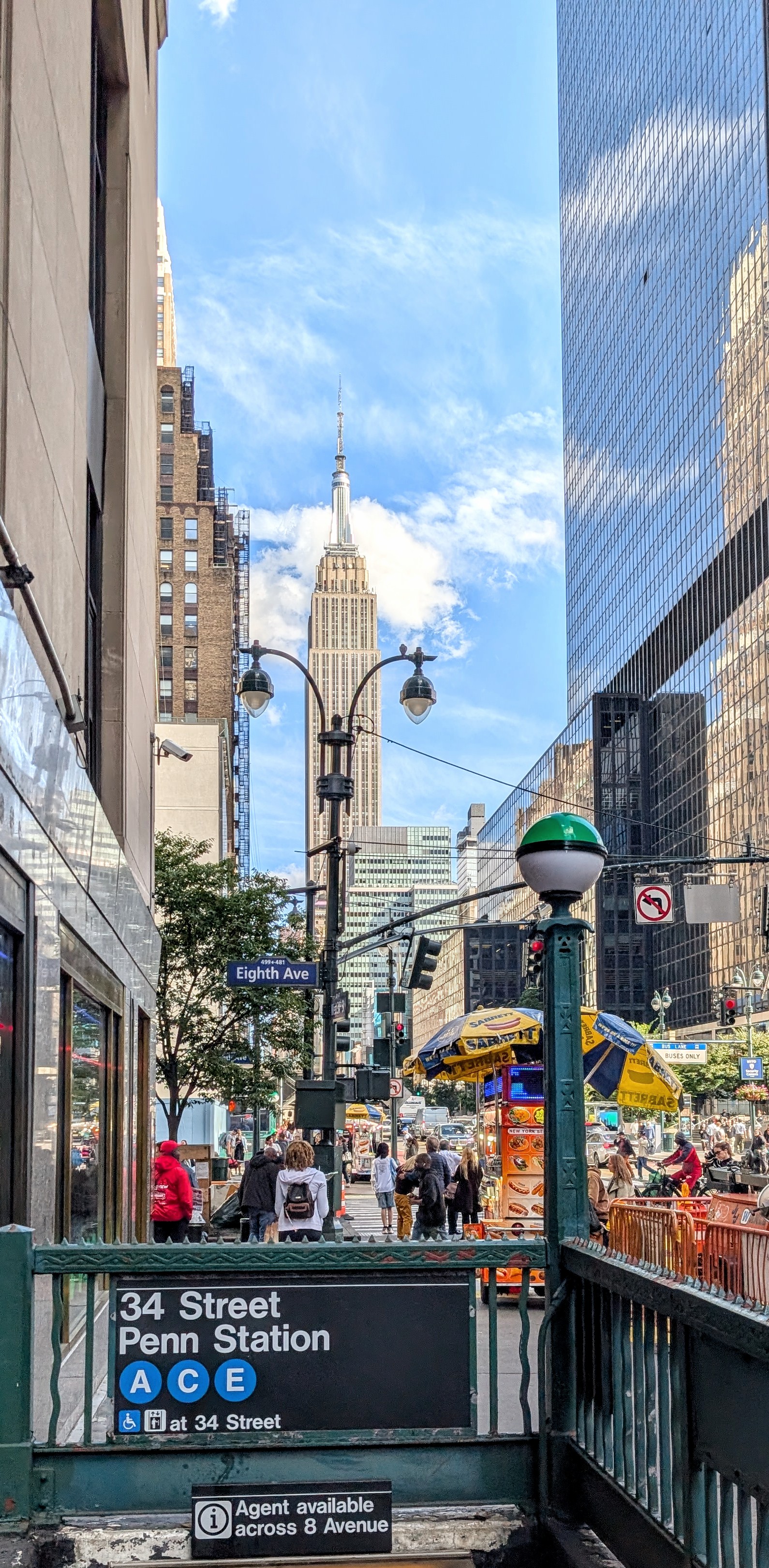
Penn and Moynihan are minutes away. Hudson Yards is next door. There are strong restaurant options around the hotel and the High Line gives you another way of connecting the programme to the city.
That wider picture can matter just as much as the meeting room.
It is something we look at increasingly when sourcing internationally. A venue can be excellent in isolation, but if everything else around it creates friction, it may still be the wrong choice.
Equally, a strong location can open up parts of the programme you would never see by comparing room capacities and rates on a spreadsheet.
Some venues already have the experience built in
The evenings made the same point in a different way.
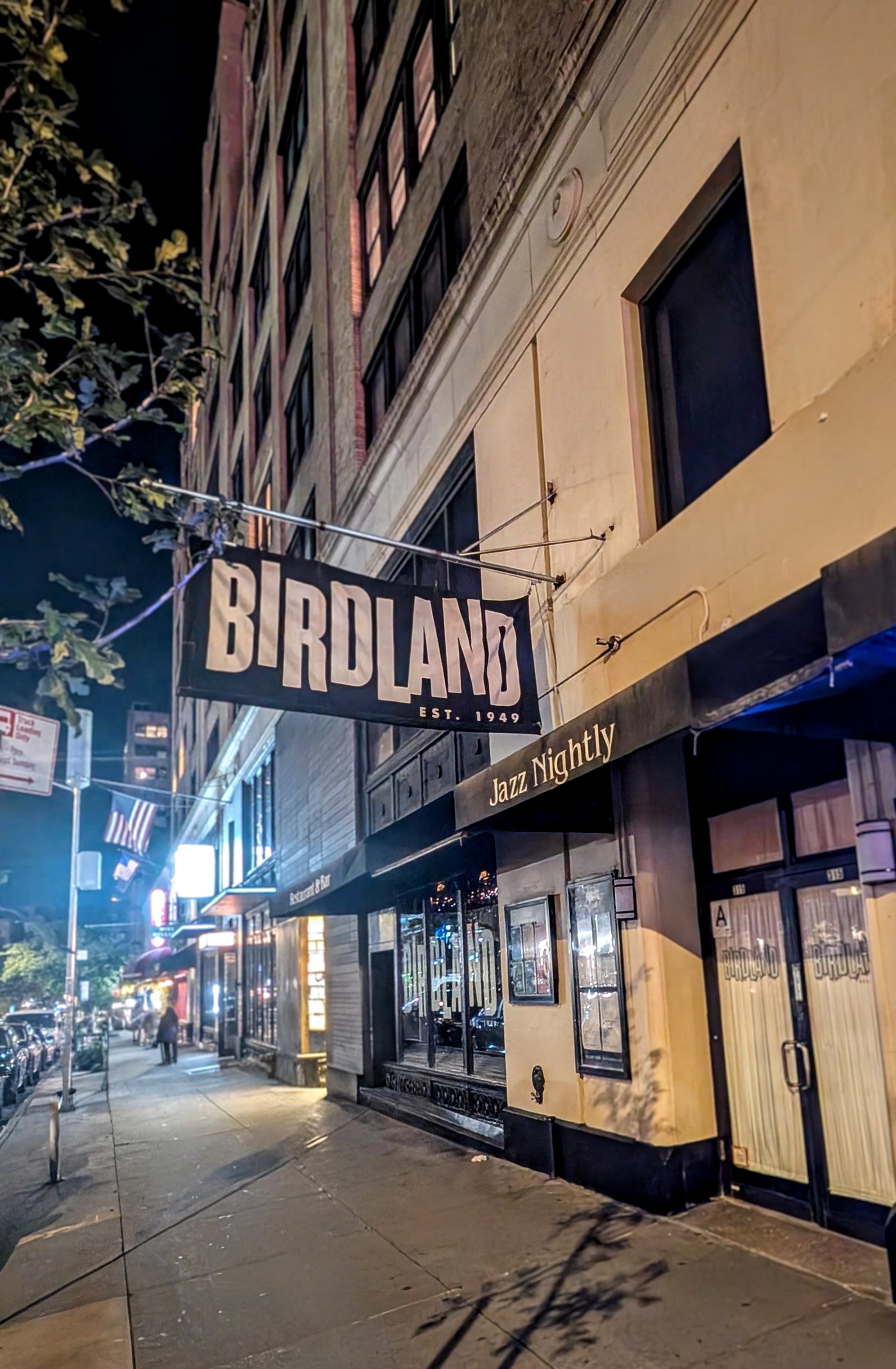
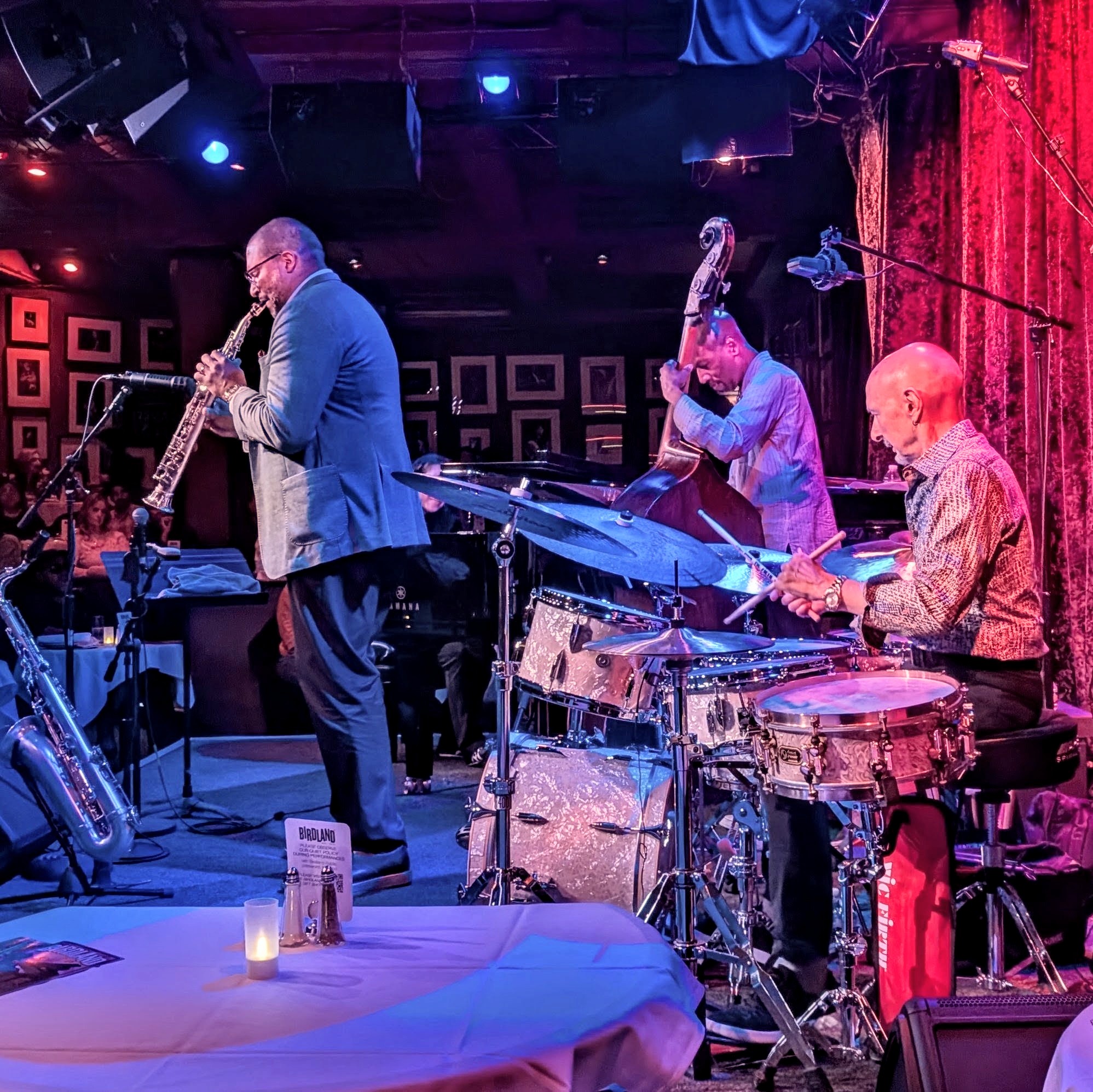
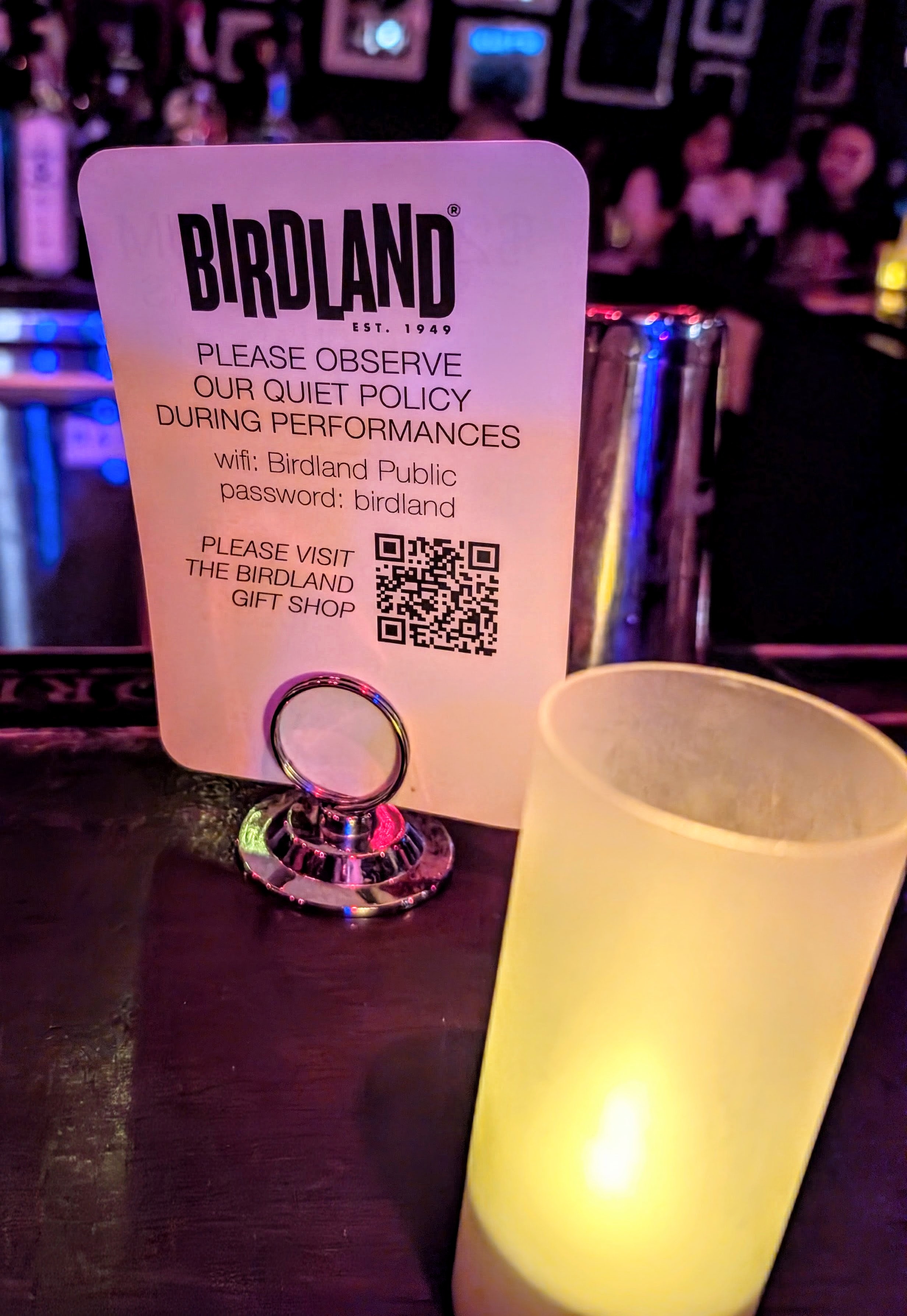
Birdland was probably the best example. It has history, character and atmosphere before you have done anything to it. Sitting at the bar overlooking the stage felt unmistakably New York, and for a smaller client group that is open to jazz it could make a brilliant evening.
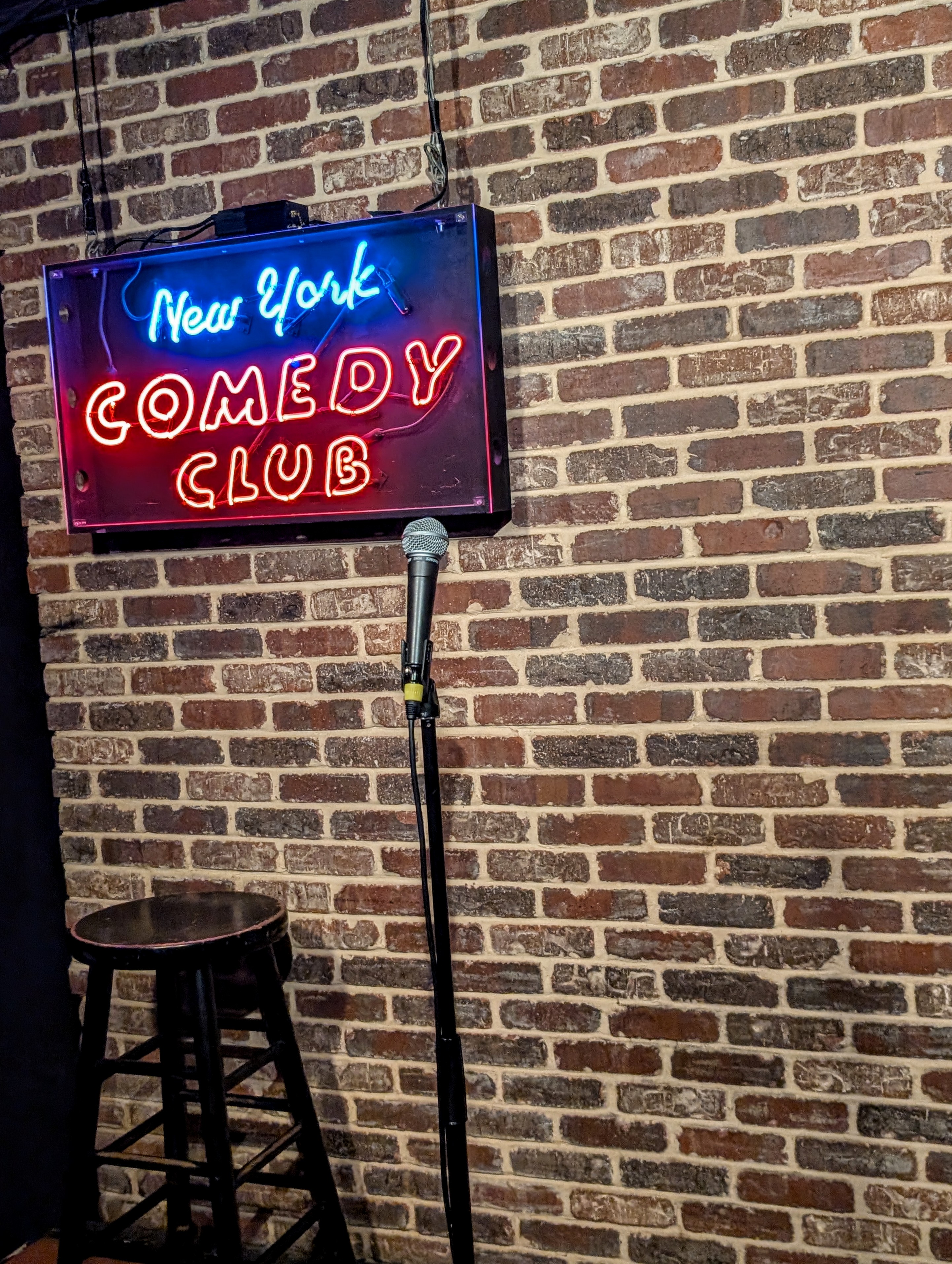
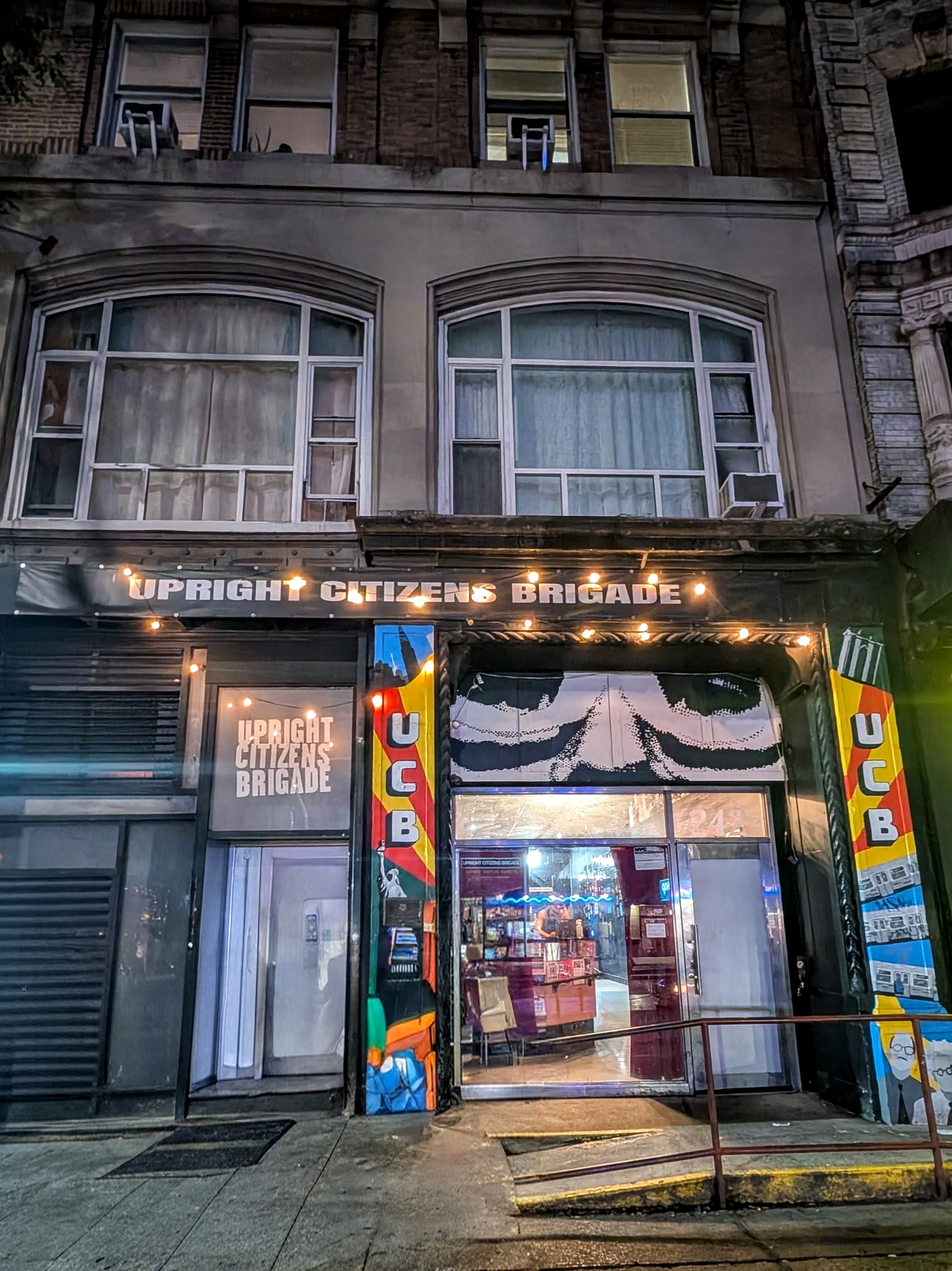
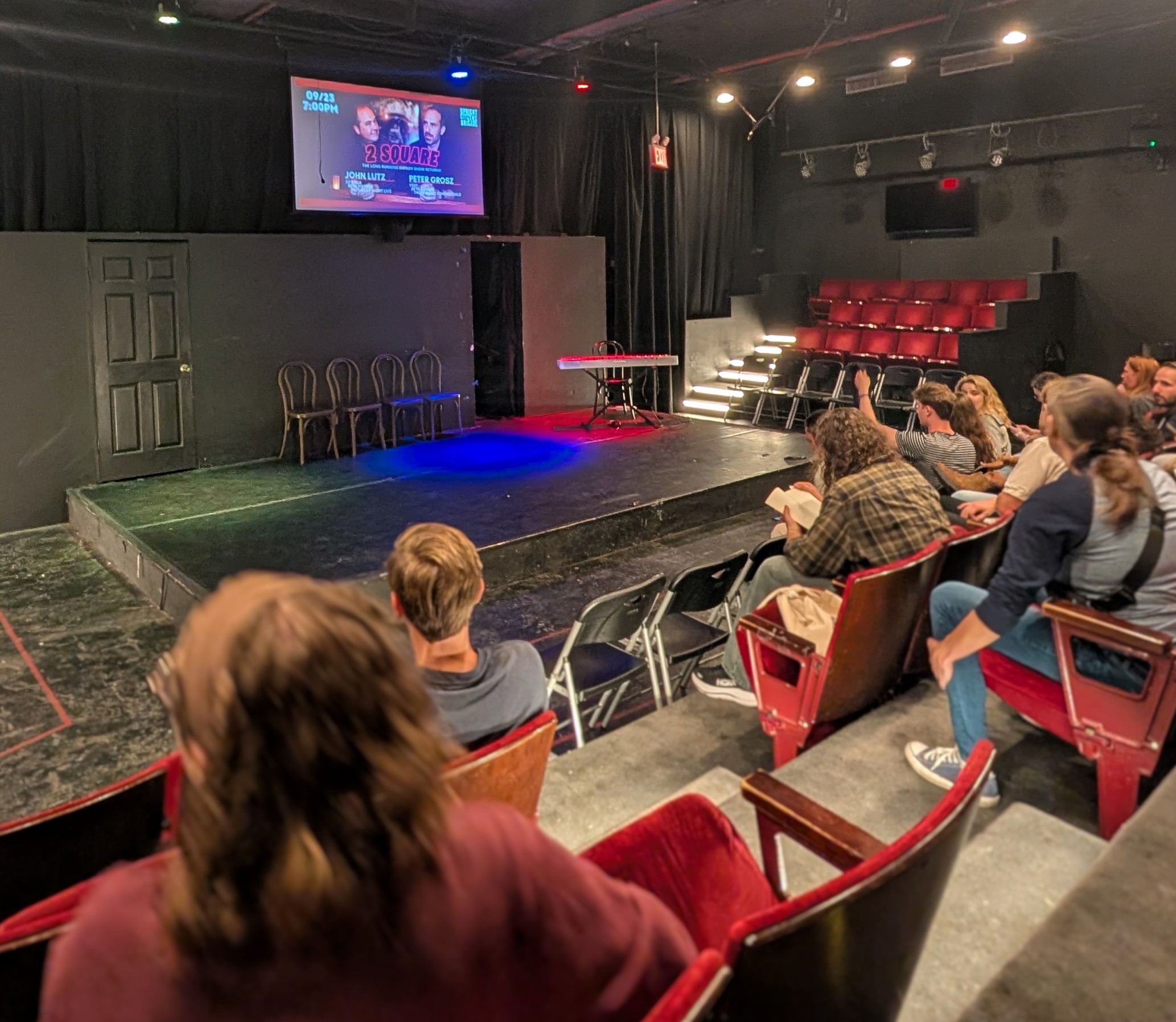
The comedy club worked for much the same reason. Putting a comedian into a hotel function room is one thing. Taking a group into a proper New York comedy club gives you the room, the audience energy and the setting as part of the entertainment.
Then there are places that are perfectly good but, once you have been there, you struggle to find the reason you would choose them over half a dozen alternatives. That is useful information too.
Good destination knowledge is not just knowing what to recommend. It is knowing what to leave off the list.
Wellness is becoming part of the programme rather than an extra
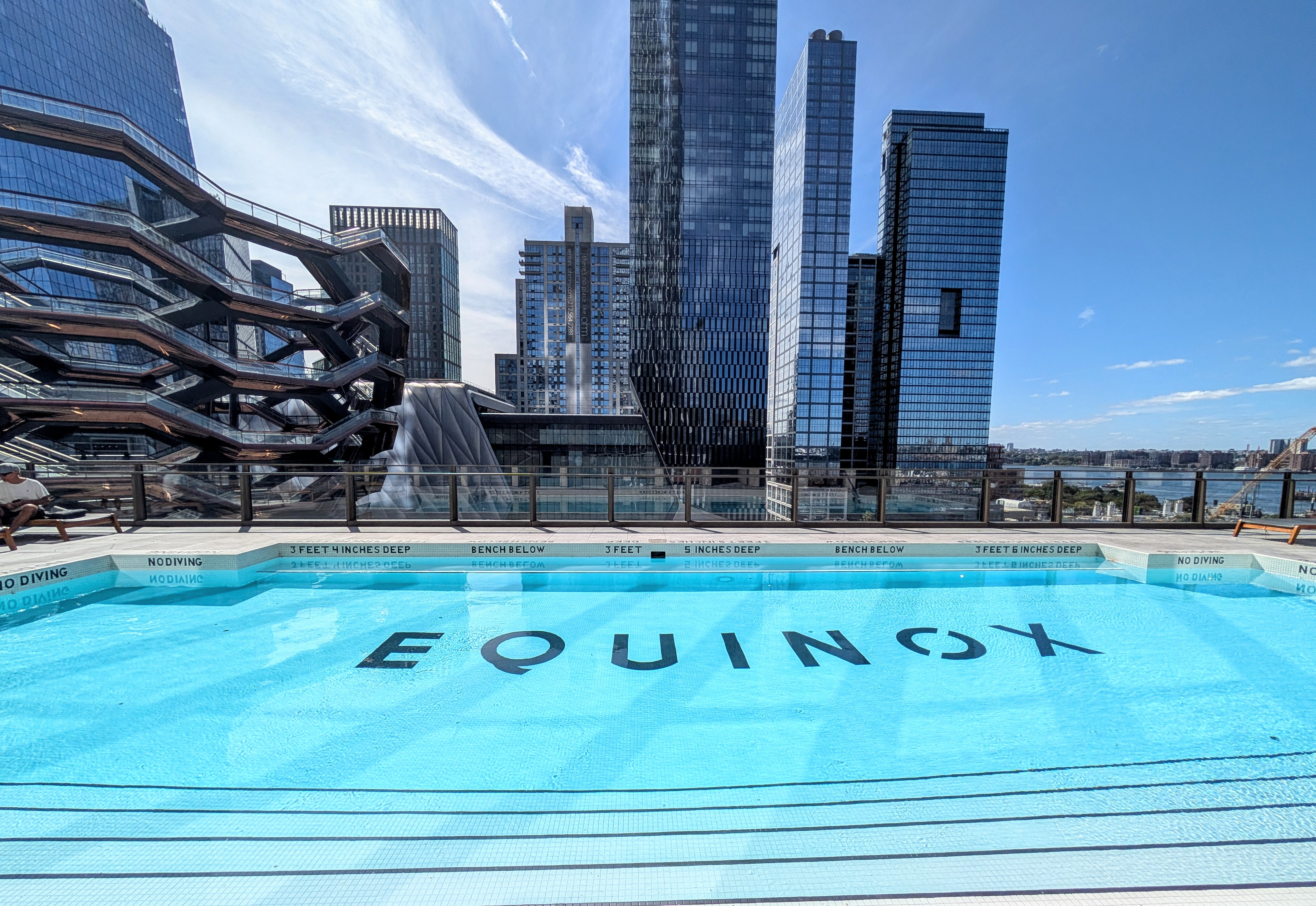
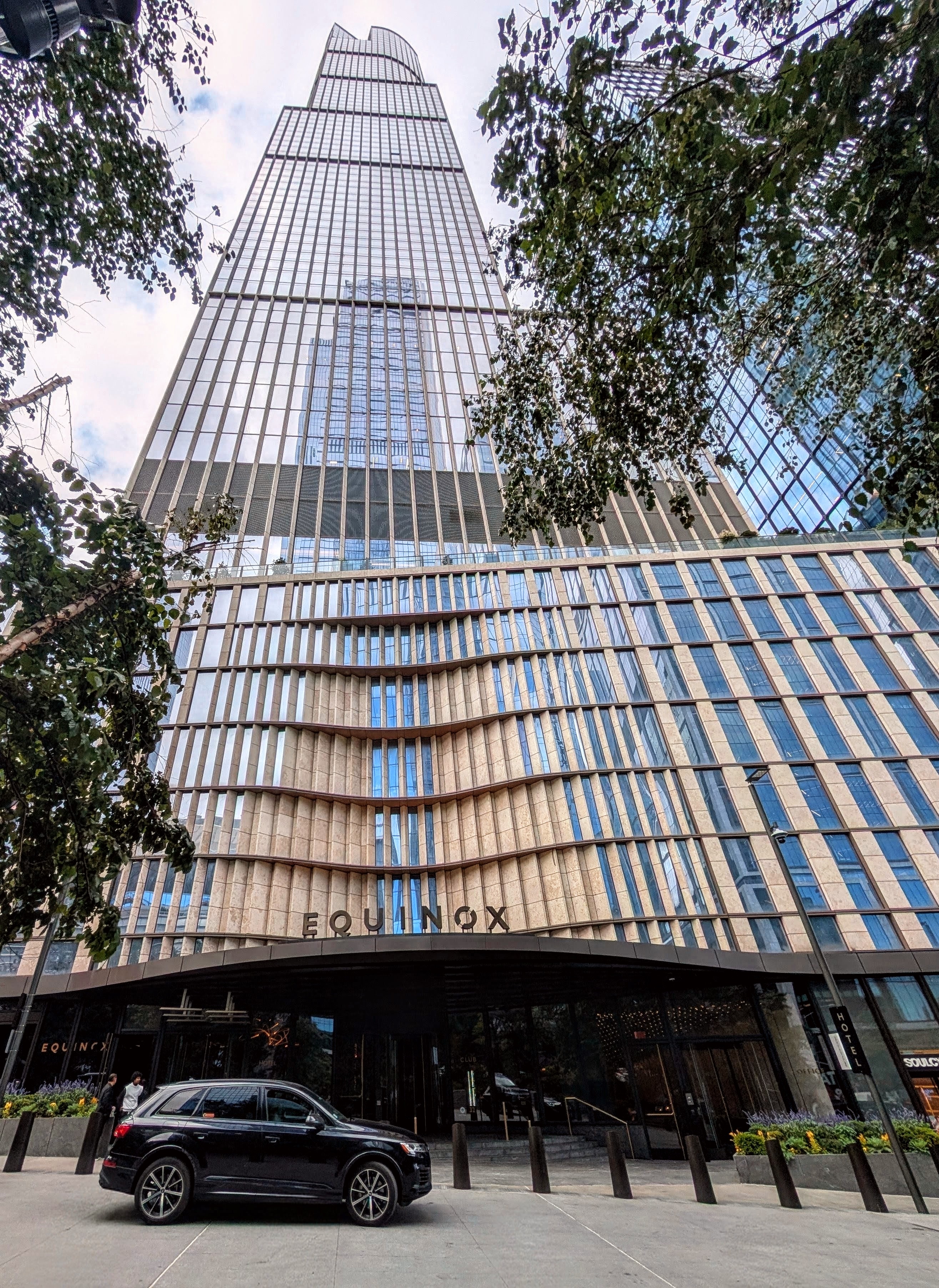
Equinox Hotel was another standout, largely because wellness is embedded into the place rather than added as an activity.
The gym is extensive, the spa goes well beyond the standard treatment menu, and the outdoor pool and terrace immediately suggest ideas for smaller corporate groups. A private studio session followed by breakfast by the pool, for example, feels very different from adding a yoga class to the start of a conference because somebody decided the programme needed a wellness element.
SoulCycle was another useful experience from a completely different end of the spectrum: energetic, music-led and very American in style. It will not suit everyone, but for the right audience it could work well as part of a morning programme.
The bigger point is that wellness now gives planners far more options than simply choosing between yoga and a spa treatment. Audience fit matters, but so does having enough knowledge of what is available to build something properly.
Knowing the city changes the brief
None of this means every New York event needs to become an itinerary of neighbourhood walks, jazz clubs and wellness sessions.
It means the options become better when the person building the programme has actually experienced them.
That is the value of being in-market for us. We are not looking to collect another list of hotels, restaurants and venues. Most clients can find those online themselves.
We want to understand how the pieces fit together, which audiences they work for, what is worth including and what looks better online than it feels when you get there.
At We Are MEaT, we are not just sourcing rooms. We are looking at the whole experience around them.
Because sometimes the part of the event that people talk about afterwards was never really on the agenda at all.

No items found.
Booking New Partnerships
Let’s start planning.
Planning a leadership summit, launch, roadshow or incentive? We design and deliver corporate & luxury events worldwide strategy to on-site to post-event impact. Share your brief and we’ll get back within 24 hours.
Similar Insights
Creative Strategy
Creative Strategy
What Are You Really Paying an Event Agency For?
Learn MoreCreative Strategy
Before You Book the Venue: Six Questions That Shape Better Events
Learn MoreCreative Strategy